What Are Vapes? Types, Mechanisms, Uses & Safety Guide
Vapes (commonly referred to as e-cigarettes, vaporizers, vape pens, or electronic nicotine delivery systems / ENDS) are battery-powered devices that heat a liquid solution—containing nicotine, cannabis oil, or flavorings—into an inhalable aerosol.
Unlike traditional combustible cigarettes that burn tobacco leaf and release heavy carcinogenic tar, vapes utilize thermal vaporization to deliver active compounds without combustion.
How Vaporizers Work: Core Components
While device designs vary from slim disposable sticks to high-powered custom mods, every vaporizer operates on the same basic mechanical principle:
[Battery Power] ---> [Heating Element / Coil] ---> [E-Liquid Saturation] ---> [Inhalable Aerosol]
-
Battery Unit: Provides lithium-ion electrical power to the atomizer coil.
-
Atomizer & Heating Coil: A resistive wire or mesh element wrapped around a cotton wick soaked in e-liquid.
-
E-Liquid Tank / Pod: Holds the liquid formulation (typically a base of vegetable glycerin [VG] and propylene glycol [PG]).
-
Mouthpiece (Drip Tip): Directs the created aerosol to the user during inhalation.
Main Categories of Vape Devices
| Device Type | Power & Performance | Reusability | Target Audience |
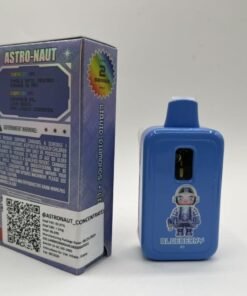
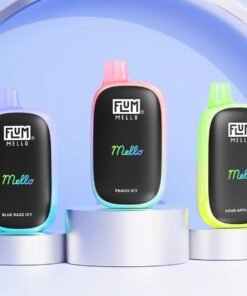
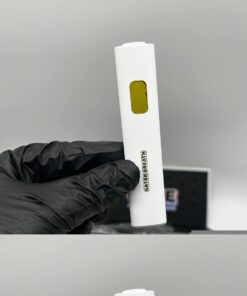
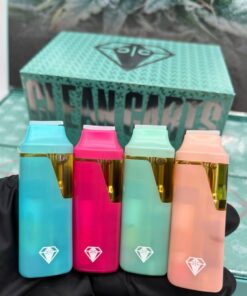
| Disposable Vapes | Low power; pre-charged & pre-filled | Single-use; discarded after liquid depletion | Beginners seeking maximum convenience and zero maintenance. |
| Pod Systems | Low-to-mid power; refillable or swappable pods | Reusable battery; replaceable pods/coils | Daily nicotine users looking for compact, low-profile devices. |
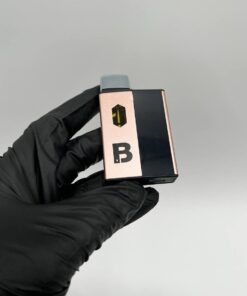
| Vape Pens | Medium power; single-button operation | Reusable; refillable tank or cartridge | Dual-use consumers vaping standard nicotine or cannabis oil. |
| Box Mods / Tanks | High power; adjustable wattage & airflow | Reusable; customizable coils and tanks | Advanced hobbyists seeking large cloud production and maximum flavor customization. |
Active Substances: Nicotine vs. Cannabis Formulations
-
Nicotine E-Liquids: Formulated with freebase nicotine (for throat hit) or nicotine salts (for rapid bloodstream absorption and smoother inhalation). Available in varying concentrations (0mg to 20mg/mL+).
-
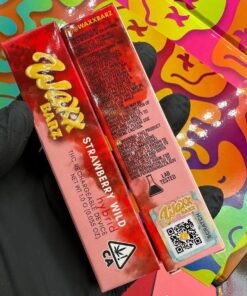
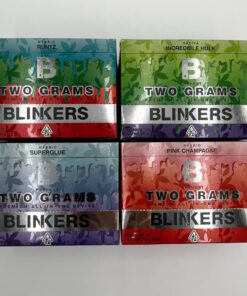
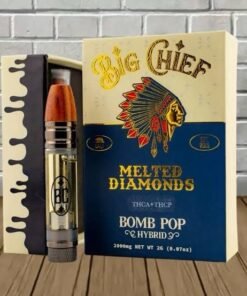
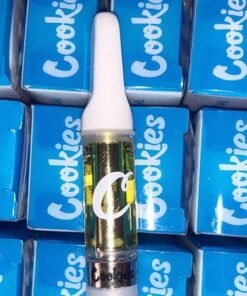
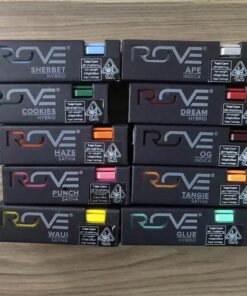
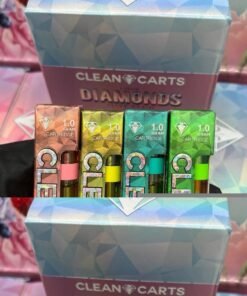
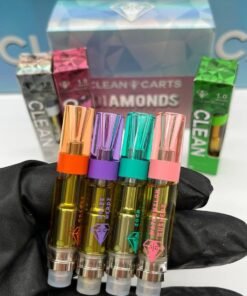
Cannabis Oil / Concentrates: Specially designed cartridges containing distilled THC, CBD, or live resin extracts for medicinal or recreational cannabinoids without burning plant material.
Primary Benefits & Reasons for Use
-
Harm Reduction relative to Smoking: Public health agencies like the UK Health Security Agency (UKHSA) recognize vaping as significantly less harmful than smoking combustible tobacco, making it a primary smoking cessation tool.
-
Rapid Onset & Convenience: Inhaled vapor enters the pulmonary bloodstream within seconds, providing immediate nicotine or cannabinoid delivery without persistent smoke odors.
-
Controlled Intake: Users can choose exact nicotine strengths to gradually taper off dependence.
Important Safety & Health Guidelines
-
Not Risk-Free: While cleaner than tobacco smoke, vape aerosol contains ultra-fine particles, volatile organic compounds, and flavorings that can cause respiratory irritation. Non-smokers should not start vaping.
-
Avoid Unregulated Cartridges: Only purchase e-liquids and cannabis cartridges from licensed, lab-tested manufacturers to avoid hazardous adulterants (such as Vitamin E acetate).
-
Battery Safety: Charge reusable devices with manufacturer-approved cables and avoid exposing batteries to extreme heat or physical damage.
Frequently Asked Questions
Is vaping safer than smoking cigarettes?
Yes. Major public health organizations agree that vaping carries a fraction of the risk of traditional smoking because it eliminates tobacco combustion, carbon monoxide, and tar. However, it is not completely risk-free.
What is the difference between VG and PG in vape juice?
Propylene Glycol (PG) is a thinner liquid that delivers a stronger throat hit and carries flavor better. Vegetable Glycerin (VG) is a thicker, sweeter liquid responsible for creating dense vapor clouds.
What causes a vape to taste burnt?
A burnt taste occurs when the cotton wick inside the heating coil dries out before heating, causing the dry cotton fibers to singe. Always ensure tanks are filled and allow new coils to prime for 5–10 minutes before use.