
What Are Psychedelic Drugs? Types, Effects & Medical Applications
Psychedelic drugs (commonly categorized as hallucinogens, entheogens, or psychoactive substances) are a diverse class of chemical compounds that temporarily alter perception, cognition, mood, and consciousness. They can heighten sensory experiences—making colors appear more vivid and sounds deeper—while altering time perception and emotional processing.
While historically utilized for spiritual rites and recreational exploration, modern clinical research is rapidly positioning psychedelics as groundbreaking treatments for complex mental health conditions.
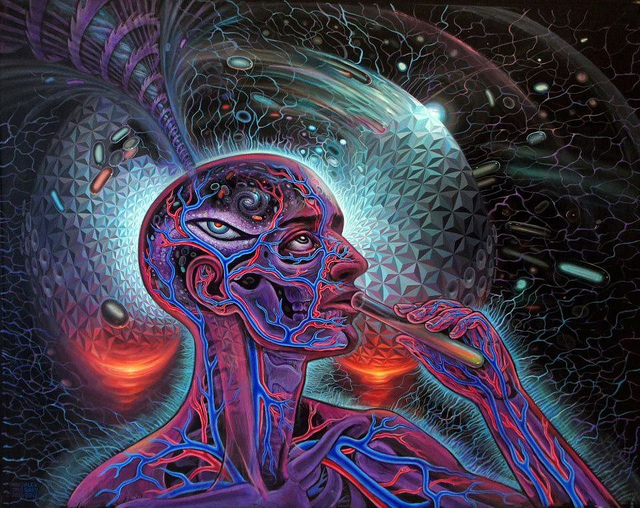
The 3 Main Categories of Psychedelic Drugs
Psychedelic substances are broadly classified into three distinct chemical and pharmacological groups based on how they interact with brain receptors.
                           ┌── 1. CLASSIC PSYCHEDELICS (Serotonin 5-HT2A Agonists)
                           │    └─ LSD, Psilocybin, DMT, Mescaline
                           │
[Psychedelic Categories] ──┼── 2. DISSOCIATIVES (NMDA Receptor Antagonists)
                           │    └─ Ketamine, PCP, DXM
                           │
                           └── 3. DELIRIANTS (Anticholinergic Agents)
                                └─ Scopolamine, Atropine, Diphenhydramine
1. Classic Psychedelics (Serotoninergic Hallucinogens)
Classic psychedelics act primarily as agonists on serotonin 5-HT2A receptors in the brain. They alter mood, foster introspection, and produce vivid open- and closed-eye visuals without causing cognitive confusion or loss of consciousness.
| Substance | Common Names | Natural Source / Origin | Key Characteristics & Effects |
| Psilocybin | Magic Mushrooms, Shrooms | Psilocybe cubensis fungi | Feelings of euphoria, connection to nature, emotional release, visual geometry. |
| LSD | Acid, Blotter, Lucy | Semi-synthetic (Claviceps purpurea) | Long-lasting (8–12 hours), heightened synesthesia, sharp visual enhancements. |
| DMT | Dimethyltryptamine, Spirit Molecule | Psychotria viridis / Ayahuasca | Short-acting, extremely intense, multidimensional “breakthrough” experiences. |
| Mescaline | Peyote, San Pedro | Lophophora williamsii cactus | Warm body euphoria, geometric visual patterns, traditional ceremonial history. |
2. Dissociatives (NMDA Receptor Antagonists)
Dissociatives work by blocking NMDA glutamate receptors in the brain. Rather than intensifying sensory input, they disrupt signaling between the brain and body, creating feelings of detachment, depersonalization, and dream-like floating states.
-
Ketamine: A medical anesthetic widely researched and FDA-approved (in refined form) for treatment-resistant depression. It produces a floating sensation and out-of-body perception at higher doses.
-
PCP (Phencyclidine): A potent synthetic agent that can cause severe emotional detachment, memory loss, and unpredictable physical behaviors.
-
DXM (Dextromethorphan): An active ingredient found in over-the-counter cough suppressants that induces recreational dissociative effects when consumed in abnormally high doses.
3. Deliriants (Anticholinergic Agents)
Deliriants block acetylcholine receptors in the central nervous system. Unlike classic psychedelics, deliriants produce true hallucinations—vivid, solid-looking visions that are indistinguishable from reality—often accompanied by confusion, memory loss, and severe disorientation.
-
Scopolamine & Atropine: Alkaloids derived from toxic nightshade plants (Datura, Brugmansia). Known to cause severe paranoia, dry mouth, and dangerous hyperthermia.
-
High-Dose Diphenhydramine (Benadryl): An over-the-counter antihistamine that acts as a deliriant when abused, carrying significant risk of cardiotoxicity and delirium.
Short-Term vs. Long-Term Effects
[Ingestion] ---> [Onset & Peak: Visual Shifts, Emotional Depth] ---> [Integration / Long-Term Insights]
Short-Term Experience Profile
-
Visual & Sensory Changes: Brightened colors, geometric shifting, auditory enhancement, and altered time perception.
-
Emotional Oscillations: Rapid shifts between intense euphoria, awe, deep empathy, or temporary acute anxiety (“bad trip”).
-
Physical Responses: Mild pupil dilation, altered heart rate, changes in body temperature, and temporary nausea during onset.
Long-Term Psychological Impact
-
Heightened Openness: Increased psychological flexibility, creative problem-solving, and mood stabilization.
-
HPPD Risk: In rare instances, individuals may experience Hallucinogen Persisting Perception Disorder (HPPD), marked by lingering visual artifacts.
Medical & Psychedelic-Assisted Therapy Applications
Modern clinical trials conducted by major research institutions demonstrate that psychedelics—when combined with professional therapy—can treat severe psychiatric disorders:
-
Treatment-Resistant Depression: Psilocybin and Ketamine therapy promote neural plasticity, helping patients break out of rigid, negative thought loops.
-
PTSD (Post-Traumatic Stress Disorder): MDMA- and psilocybin-assisted psychotherapy help trauma survivors process repressed memories without triggering extreme panic reactions.
-
End-of-Life Anxiety: Clinical trials show significant reductions in existential dread and anxiety among terminally ill cancer patients following guided psilocybin sessions.
-
Substance Use Disorders: Psychedelic therapy is being applied to treat alcohol dependency, nicotine addiction, and opioid use disorder by resetting habit-reward circuits in the brain.
Important Safety Controls & Harm Reduction
Frequently Asked Questions
Are psychedelic drugs addictive?
Classic psychedelics like psilocybin, LSD, and mescaline are physiologically non-addictive and do not cause compulsive drug-seeking behavior. The brain rapidly builds a short-term tolerance, rendering repeated daily use ineffective.
What is the difference between a classic psychedelic and a dissociative?
Classic psychedelics amplify sensory perception and emotional depth via serotonin 5-HT2A receptors. Dissociatives block NMDA glutamate receptors, disconnecting the mind from physical sensory input.
What is “Psychedelic-Assisted Psychotherapy”?
It is a clinical protocol where a patient ingests a measured dose of a pharmaceutical-grade psychedelic under the direct supervision of trained medical therapists to facilitate deep psychological processing.
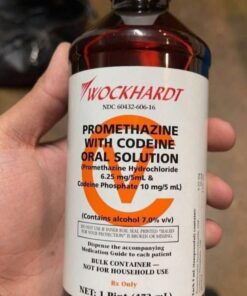

psychedelic drugs


psychedelic drugs


psychedelic drugs

psychedelic drugs
psychedelic drugs


psychedelic drugs