
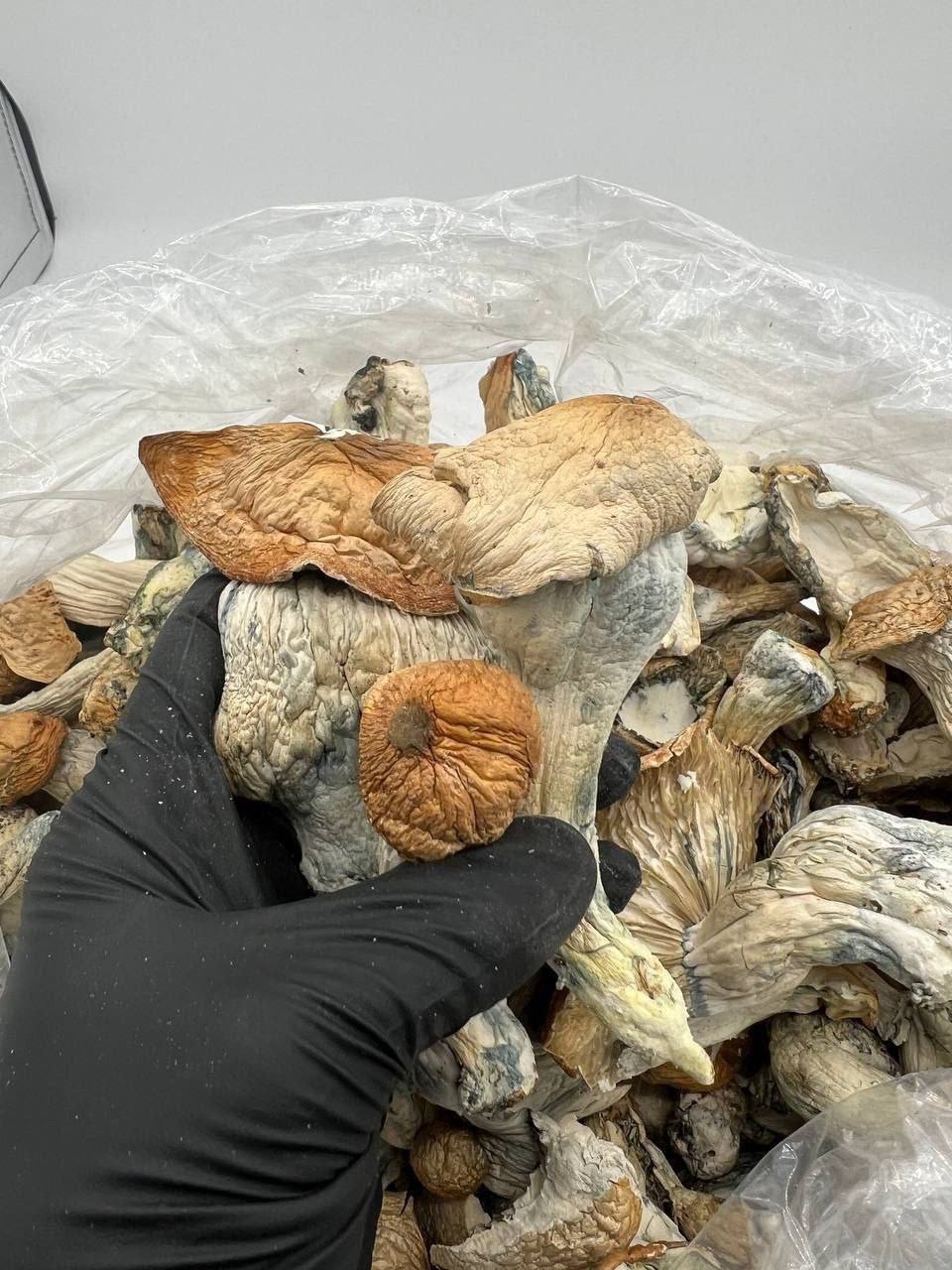

Amanita Mushroom Genus: Species Guide, Identification & Pharmacology
The genus Amanita encompasses some of the most iconic, biologically diverse, and pharmacologically significant fungi on Earth. Containing over 600 species, this group ranges from prized edible delicacies like Amanita caesarea (Caesar’s Mushroom) to psychoactive fungi like Amanita muscaria (Fly Agaric), and deadly toxic species such as Amanita phalloides (Death Cap).
Unlike psilocybin-containing mushrooms (Psilocybe cubensis), psychoactive species in the Amanita family do not act on serotonin receptors. Instead, their effects are driven by ibotenic acid and muscimol, which interact directly with the brain’s GABA neurotransmitter system.
Amanita Mushroom Anatomic Identification Features
Accurate identification of Amanita species is critical, as lethal lookalikes exist within the same genus. Members of this family share key anatomical structures:
      [Cap with Warts/Scales]
               |
         [Stem / Stipe]
               |
    [Annulus / Stem Ring]
               |
  [Volva / Cup-like Base Sac]
Amanita Mushroom Morphological Specifications
| Structure | Key Characteristics | Identification Importance |
| Cap (Pileus) | Convex to flat, ranging from bright red/yellow to olive, brown, or white. Often flecked with white remnants (warts/scales). | Primary visual indicator; warts can wash off in heavy rain. |
| Gills (Lamellae) | Typically free from the stem and predominantly white or pale yellow. | Distinguishes Amanita from species with attached or dark gills. |
| Ring (Annulus) | Membranous skirt-like ring on the upper portion of the stem. | Remnant of the partial veil protecting young gills. |
| Base (Volva) | Universal veil remnant forming a bulbous, cup-like sac or scaly rings at the root. | Crucial safety marker: Often buried underground; must be dug up for accurate identification. |
| Spore Print | Pure white print. | Helps rule out non-Amanita lookalikes. |
Amanita Mushroom Notable Species: Edible, Psychoactive & Lethal
                             ┌── EDIBLE: Amanita caesarea (Caesar's Mushroom)
                             │
[Amanita Genus Taxonomy] ────┼── PSYCHOACTIVE: Amanita muscaria (Fly Agaric / Muscimol)
                             │
                             └── LETHAL: Amanita phalloides (Death Cap / Amatoxins)
1. Psychoactive & Deliriant Species
-
Amanita muscaria (Fly Agaric): Iconic red cap with white spots. Contains ibotenic acid (neurotoxic, causes nausea) and muscimol (GABA-A agonist, produces sedative-hypnotic, altered spatial perception, and dreamlike states).
-
Amanita pantherina (Panther Cap): Brown cap with white warts. Contains significantly higher concentrations of muscimol and ibotenic acid than A. muscaria, making it far more potent and unpredictable.
2. Edible Species
-
Amanita caesarea (Caesar’s Mushroom): Highly prized culinary mushroom native to Southern Europe and North Africa, featuring a smooth orange cap, yellow gills, and a distinct white volva.
3. Lethal Toxic Species (Amatoxins)
-
Amanita phalloides (Death Cap): Responsible for over 90% of fatal mushroom poisonings worldwide. Contains alpha-amanitin (amatoxins), which causes irreversible liver and kidney failure.
-
Amanita bisporigera / virosa (Destroying Angels): Pure white, innocent-looking mushrooms containing deadly amatoxins.
| Quantity | 1oz, 2oz, 4oz, 8oz, 1lb, 5lb |
|---|
Related products


Shrooms

Shrooms
Shrooms


Shrooms


Shrooms
Shrooms

Shrooms